
The concept of Georgian wine in qvevri hides in the shadows, keeping to itself, yet when the sunlight shines on it the beauty and reverence is exposed (and it's hard to look away...)
Have you ever heard of wines being made in clay pots, underground? Does that spark the same spark in you as it does in me?
The concept feels mysterious and a million and one questions pop up that demand answers. Can we find this mysterious Georgian wine? What is the love affair between wine and clay? What does this all mean?
Disclosure: This post may contain affiliate links. If you click and make a purchase, I may earn a commission at no extra cost to you. Additionally, this blog promotes alcohol responsibly; you must be 21 or older to purchase through links to licensed retailers like Wine.com and Total Wine. Learn more here.
As I was studying Georgian wines with the Napa Valley Wine Academy, I was blown away. Why isn't anyone talking about this wine more?! I want to scream this from the rooftops!
Georgian wines are sacred creations rooted in ancient winemaking techniques that we don't see in the New World wines. Georgian wines come with soul, heart, and a spirit of its own...
Here you will learn the beautiful history of Georgian's wine, Georgia wine and qvevri winemaking, the adoration of amber wines, and the sacred grapes of Georgia!
This post is all about Georgian wine qvevri!
The Soul of Georgian Wine Qvevri
Georgian's history with wine

If you were to arrive in the country of Georgia in the capital, Tbilisi, you would quickly find a 65 foot aluminum statute of Karlis Deda. Which translates to "Mother Georgia".
In one hand she is holding a sword, for when she greets her enemies, and in the other hand she is holding a cup of wine, for when she greets her friends. Karlis Deda shows us that Georgia and wine are one in the same.
So much so, it is known as "the birthplace of wine". Ancient texts show us this so clearly. Texts from Sumeria (Egypt and Iraq) include the earliest mentions of wine, as does the Bible.
In the Bible, Noah's first act when he arrived in the mountains was to plant a grapevine (which was in modern day Turkey). But, for more research based data... Archeological findings highlight the fact that old wineries were present in the land of Georgia.
The oldest winery in Georgia started some 500 BC, and is still running! Georgian wine is quite literally 8000 years old...
The best book is Uncorking the Past by Patrick E. McGovern who travelled the world finding evidence of the oldest fermented drinks. And lone and behold, Georgia is on of them!
Now, onto Russia: Russia was one of Georgia's biggest exports (especially for wine). Then, in 2006 they placed a forced embargo on Georgia's wine (basically means they could no longer sell their products in Russia). For that reason, the winemakers had to start looking elsewhere for business...
Georgia winemakers began to make wine for Europe! They realized European palates were beginning to get interested in other wines, and so the mindset in the Georgia's wine industry completely shifted, which is probably why I am even writing this in the first place!!
We can also see an interest in Georgian wines within the United States. Especially given the nature of how Georgian wine is made... It is the #1 best natural wine in the world. It's just a fact.
Georgian wines & qvevri
Due to the Soviet Union's influence of the wine industry and lack of investment in state of the art winemaking technologies, the Georgian wine industry was "forced" to keep their traditional ways for quite some time.
Which worked out quite well for them wink wink.
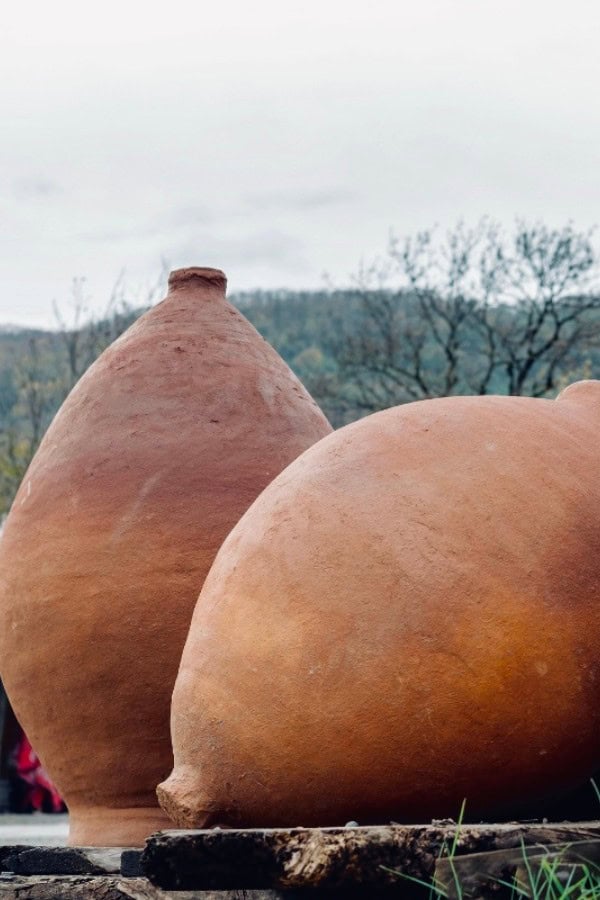
Traditionally, Georgian winemakers ferment and make wine in a qvevri. A qvevri, or also kvevri, is a large clay pot with a pointy bottom. It is meant to be buried underground and used to ferment grape juice into wine.
Master qvevri makers use local clay in the region and it takes them about 6 weeks to make a 1,000L qvevri.
The sizes range from a small 80L to a large 10,000L vessel, but the typical size is 800L. Many of these qvevri clay vessels are passed down from generation to generation, many used for decades or even centuries.
Think about drinking a wine that was fermented underground in clay pots... Then, come to find out the clay pot is 100 years old!
Qvevri's are in the winemaking regions of Kakheti, Imereti, and Goria. What is totally interesting is the demand for brand new qvevris is high right now due to the interest in organic and biodynamic wines.
RELATED POST:
Two hours outside of Tiblisi, near the village of Makatubani, lives Zaliko Bojadze. He is the master qvevri maker in the Georgian region. His pots are highly sought after by local and international winemakers. His first qvevri made it to Europe 20 years ago to the famous Italian winemaker, Josco Gravner.
Not only is Georgia the birthplace of wine, or also called "the spiritual home of wine", but the spirit lives deep within the roots of their winemaking techniques. The qvevri adds a new kind of heart & soul into the wine that is both mysterious and totally intriguing...
Georgia's sacred grapes
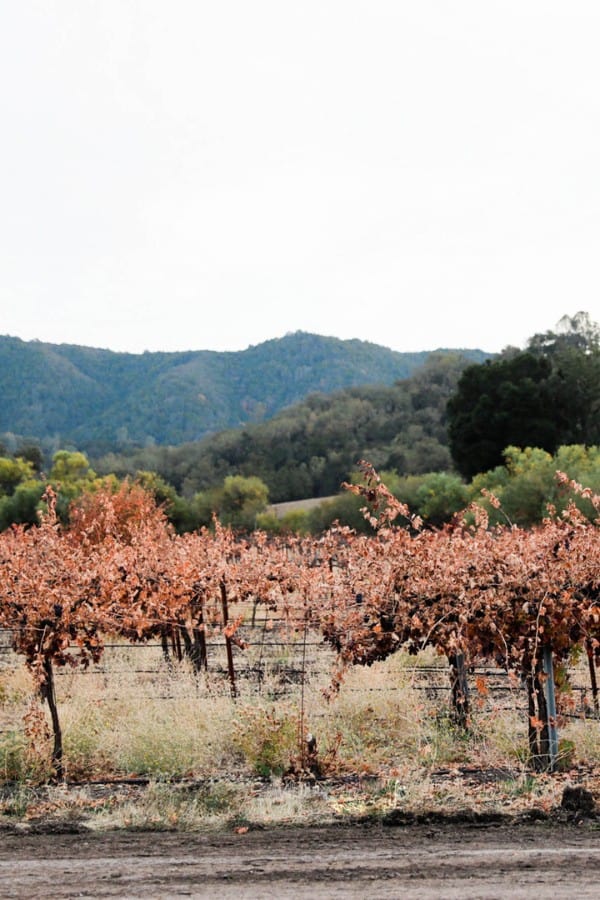
Georgia lives on its own playing field when it comes to the grape varietals and styles of wine. Georgia holds over 500 indigenous grape varieties all over the country... From the mountains to the plains. You can drive from one to the other in 4 hours!

The most popular Georgian wines are:
- Saperavi (red)
- Rkatsiteli (white)
Among these two popular grapes, Georgia wine qvevri making uses tons of others. While some winemakers might grow "out of country" grapes, it is not common nor widespread to do that.
Georgian winemakers enjoy honoring their cultural and their grapes, they have over 500! A intensely unique place for winemaking, grape growing, and the spirit of wine.
The adoration of amber wines
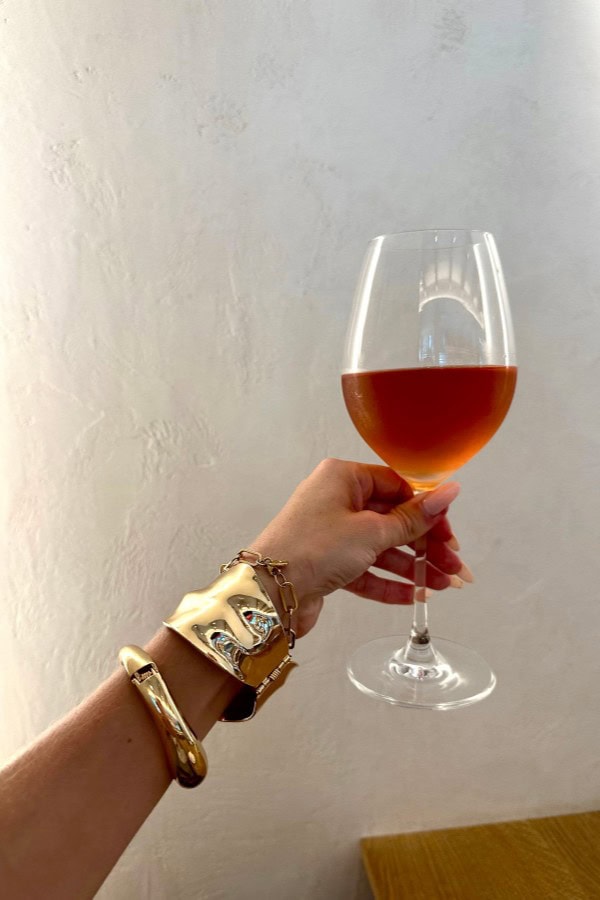
The process of the qvevri includes adding the grape skins with the grape into the qvevri vessel underground. The white grapes fermented with the skins create an amber colored wine.
With this technique, the wine gains more tannic structure, fullness, and a robust and structured mouthfeel. Think a cabernet sauvignon with more grip...
The qvevri helps give a more pronounced and interested aroma of apricot, orange peel, and nuts and creates a very distinctive savory quality. Sounds crazy, a savory wine?
During fermentation in the qvevri, the wine gets slightly aerated since the clay can be a pit more porous. This gives the wine even more distinct flavor and development, let alone the clay's addition to the flavor as well!
The famous qvevri maker, Zaliko Bojadze, once said, "Without qvevri, without wine, it would be impossible to imagine a Georgian nation."
Conclusion
The mystery of Georgian wine qvevri, Georgian wine, and their winemakers leaves such an intrigue in my mind. What does this mean? How does this even work?
And most importantly, how can I get my hands on the BEST bottle of Georgian wine? I mean, top-shelf, blow-your-mind high quality bottle...? As this remain a question, know I will update this when I do get my hands on this mysterious beverage and I will gladly share it!