
You might be wondering, how on Earth can the Georgian wine making process connect me to the spirit of wine?
For starters, the country of Georgia is known as the "Spiritual Home of Wine". They have been making wine the same way for 8000 years... Yes, I am serious!
Their ancient tradition runs deeps and creates a beautiful and unique product that we can utilize to form a better relationship with alcohol, wine, and even ourselves in the process!
Disclosure: This post may contain affiliate links. If you click and make a purchase, I may earn a commission at no extra cost to you. Additionally, this blog promotes alcohol responsibly; you must be 21 or older to purchase through links to licensed retailers like Wine.com and Total Wine. Learn more here.
I started in wine in Napa Valley, California (far away from Georgia!). But, I learned the common store-bought wines. Once I walked the vineyards and felt the land where wine's creation starts I gained a whole new appreciation for the spirit of wine, its journey, and how it interacts with us.
Here you will learn the top 3 key elements of the Georgian wine making process that will open a window into the spirit of wine and how we can connect with it.
This post is all about the Georgian wine making process.
Georgian Wine Making Process
If you are struggling with the drinking culture, drinking in general, or simply looking for a new way to drink then the Georgian wine making process is where you start!
We can speculate all day, but in the end, the natural process of fermentation in nature was not intended for us to rely on it, over consume it, or allow it to take over our lives.
Here is an invitation to shift our focus from the abundance of cheaper drinks to view Georgian wines as a sacred art that can transform our drinking.
Wine is a gift and when we connect with her we will form a better relationship with alcohol and live more aligned and grounded.
1. Mystery of the Qvevri
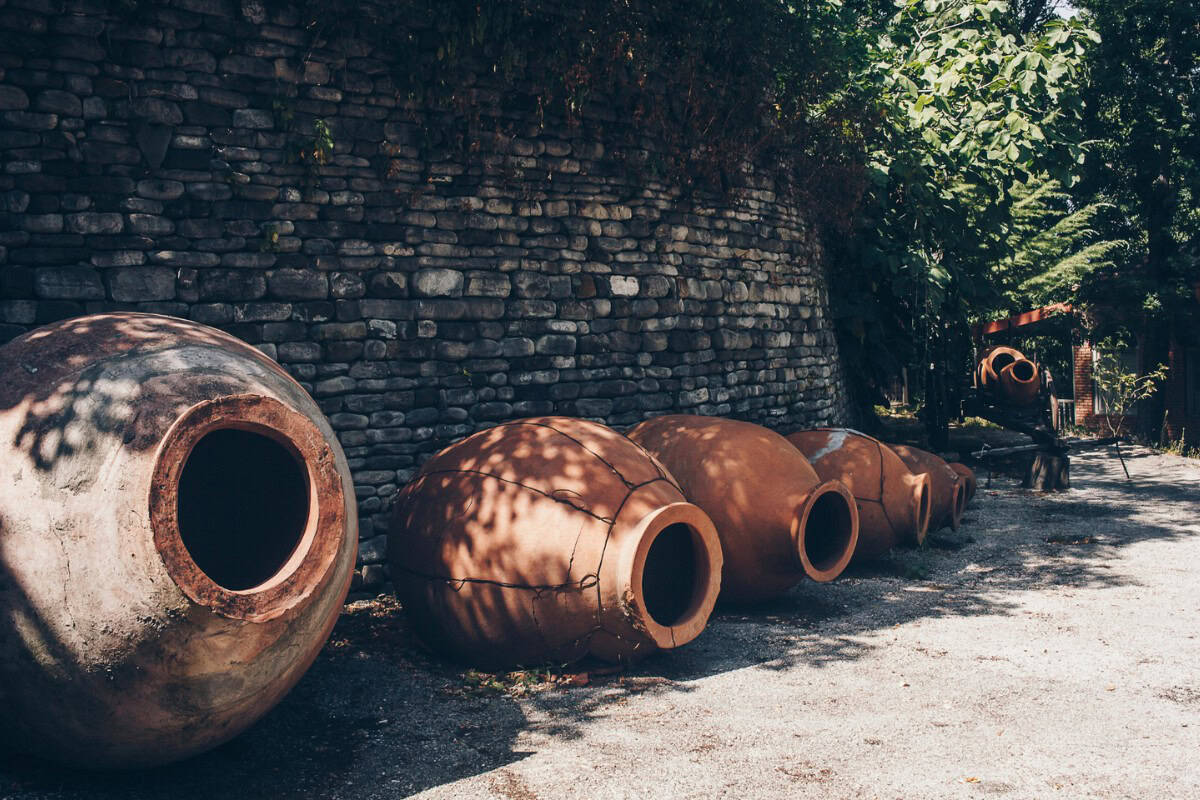
The single most unique aspect of Georgian wines is their use of a qvevri. Now, a qvevri is a clay pot that holds the grapes and grape juice during fermentation.
Most of the time, Georgian winemakers will place the qvevri underground for a more stable fermentation temperature. The only thing on the surface is the narrow opening of the qvevri.
A true mystery! Coming from a strict winemaking process in Napa Valley this seems totally mysterious on how they keep the wine clean, the qvevri clean, etc. Though, they have been making it this way for over 8000 years!
The idea of using a clay pot leads to lots of questions... First, yes, the qvevri imparts unique flavors. Since the clay pots are somewhat porous, during fermentation there is micro-oxidation... Which leads to a more unique flavor development.
Two more points here:
- The Georgian wine making process uses natural fermentation
- The wine ferments for months in the qvevri...
First, a huge reason why I turn people towards Georgian wines is because it is the ONLY real natural wine in the world that is a natural wine.... naturally... Does that make sense?
When the winemakers put the grapes and grape skins into the qvevri they allow the natural occurring yeasts on the grape skins to start the fermentation process. Thus, Georgian wines use extremely minimal intervention, processing, etc.
Secondly, the wine then ferments in the qvevri for months! Which seems crazy coming from Napa Valley where we fermented for only 2-4 weeks.
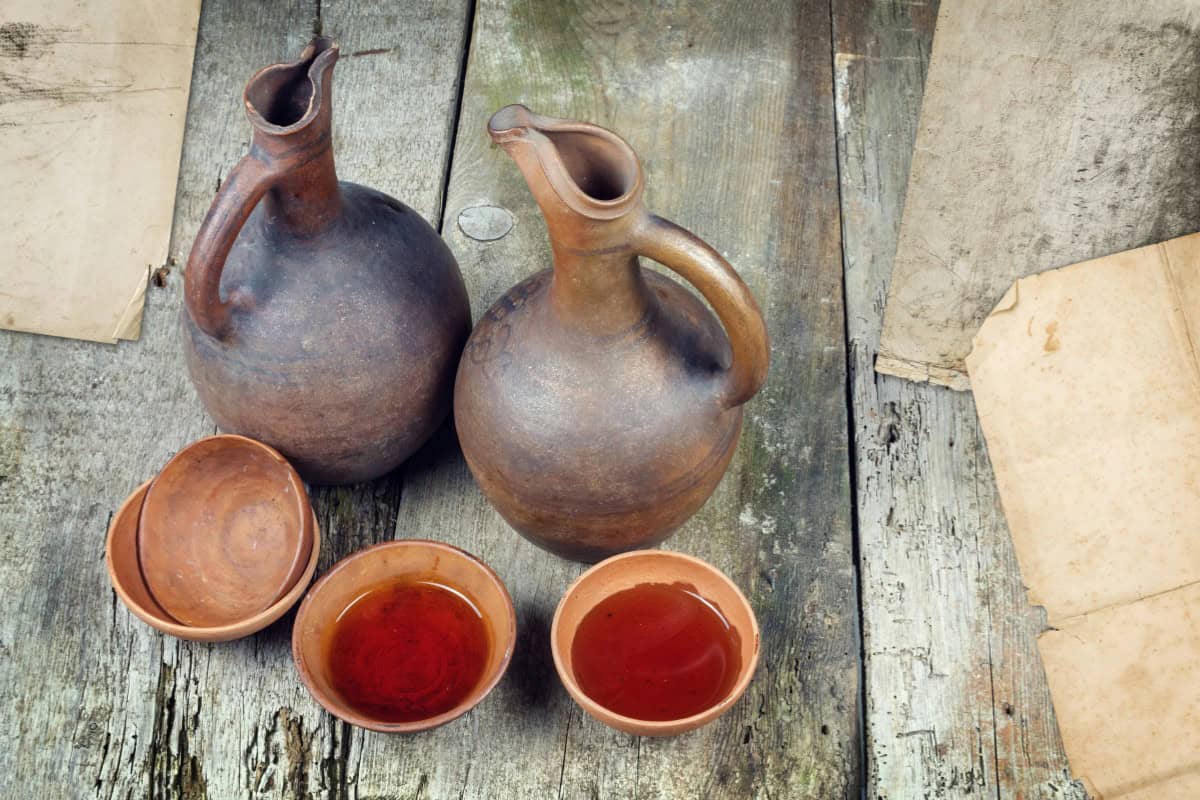
The Georgian wine making process goes like this (subject to be altered depending on the grape they are using):
- Initial fermentation in the qvevri, which lasts about 2-4 weeks.
- To allow for greater extraction of color and tannins, the wine is left to "soak" for months.
- Then, the qvevri is sealed to start the aging process which lasts about 6 months.
- Finally, the wine is removed from the skins and stems and moved to another qvevri for further aging or immediate bottling.
I mean, the qvevri alone is enough to make you fall in love, right?! What a raw way to make wine. That craziest part, too, is they have been making it this way since the ancient Egyptian times...
2. Indigenous Grapes
Since Georgia is one of the oldest winemaking regions in the world, the grapes they have are totally unique to them, with about 500 different kinds!
The grapes have sustained themselves in Georgia with their diverse lands and climates. You will be surprised, you probably have never heard of such wild grapes before... I surely didn't!
Here is a brief list of their top grapes:
- Rkatsiteli (White)
- Mtsvane Kakhuri (White)
- Chinuri (White)
- Saperavi (Red)
- Ojaleshi (Red)
I honestly don't even know how to say those names! Have you ever heard of them?! I would assume probably not. How totally awesome that this secret country is making such powerful wines with grapes we never even heard of...
So, to break it down a bit, you could find a Saperavi red wine from Georgia at a local Total Wines shop. That is their "flagship" red, often compared to a cabernet sauvignon with its robust tannins and structure.
Though, be careful with purchasing cheap wines. I PREACH this often, we don't know how those wines are made.
You can definitely find some decent cheaper wines that are made with minimal chemicals, processes, etc. But, proceed with caution. If you can, opt for high quality (yes, that means high dollar) wines that you know are going to serve you well.
When I have found top tier Georgian wine I will update my website and you will be able to find it easily. Until then, I am still searching for it!
3. Amber Wines?
Lastly, the special Georgian wine making process delivers amber and orange wines. Someone call the Halloween store because this is a gold mine!
How on Earth do they do that? Well, these winemakers take their white grapes and toss them into the qvevri with stems and skins. Then, as mentioned, they leave the wine for months with the skins and stems. Which develops an amber color, unique flavors, and richer texture.
Amber wines are unique to Georgia and their traditional winemaking techniques since these are the grapes made in the qvevri!
Amber wines have flavors of honey, golden apple, nuts, orange zest, herbs, and savory flavors. Every qvevri made wine is different since there are so many factors contributing to its flavor.
Only 5% of Georgian wines are made in a qvevri, so connecting with the amber wines of Georgia will almost guarantee the wine was made with this ancient tradition.
Conclusion
In the end, the three key elements to the Georgian wine making process are the use of the qvevri, their indigenous grapes, and their unique amber colored wines.
These ancient and traditional practices allow us, as consumers, understand the why Georgia is named the "Spiritual Home of Wine". And how we can use these wines to connect to wine, and overall build a better relationship with alcohol...
Because, listen, it takes time, heart, and soul to make alcohol. I know because I have made beers, sodas, wines, etc at home. To know the process is to respect it and if we can get to a place where we respect the gift of alcohol, we will have a better relationship with it.
And with that, I will hop off my soap box! I will update my website when I have more information on where to get high quality Georgian wines.